Does Virtual Staging Help Homes Sell Faster? What the Best Agents Actually Do
By Noah James
• 6 min read • Founder, DrivewAI
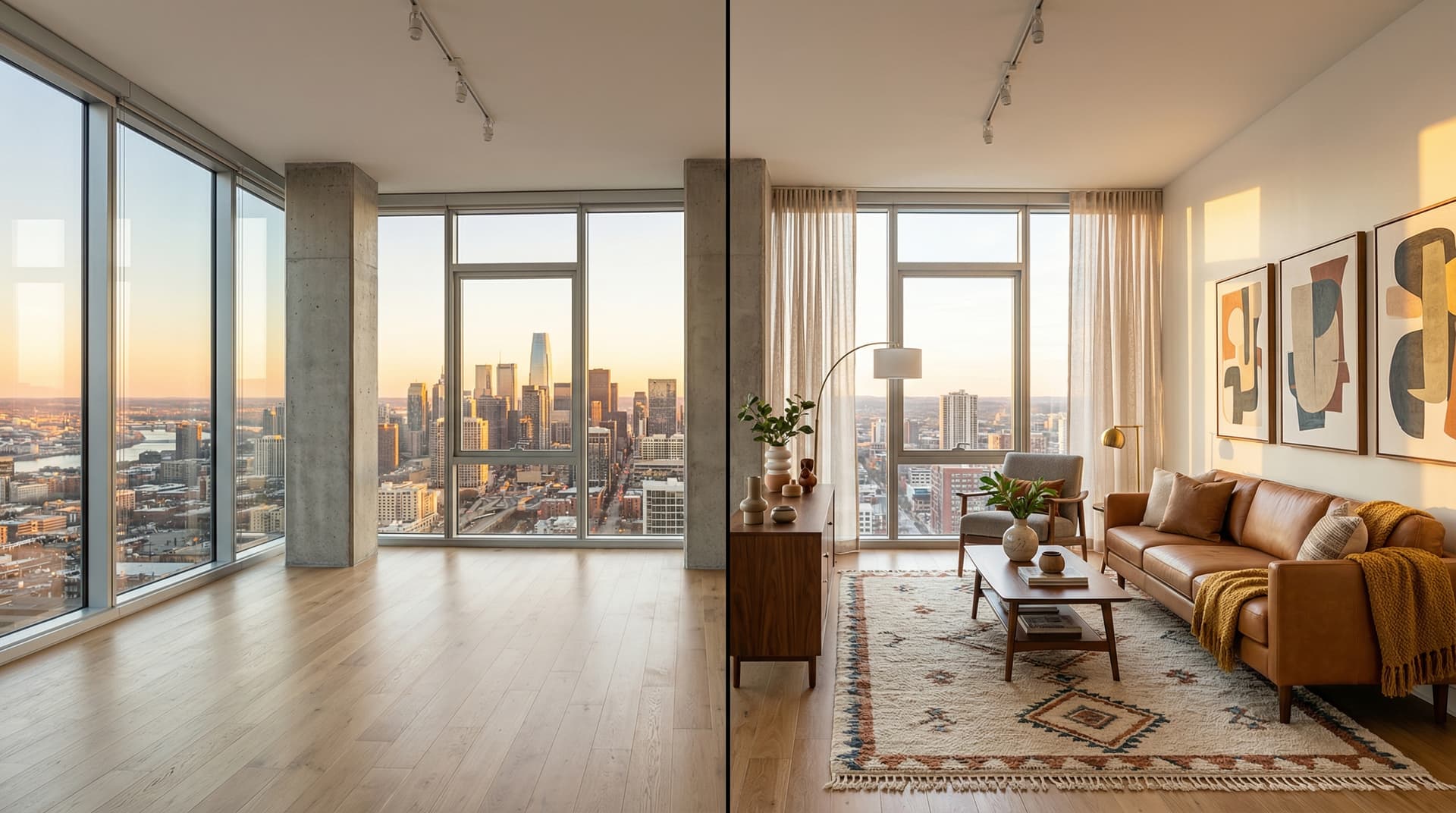
The short answer is yes: virtual staging often helps homes sell faster because it makes online listing photos easier to understand and more emotionally compelling. Buyers are scrolling fast. If a room looks empty, cold, or hard to interpret, many of them move on before they ever schedule a showing.
Virtual staging solves that specific problem. It does not repair a bad floor plan, hide deferred maintenance, or create demand where none exists. What it does is help buyers picture how a space lives. In markets where attention is scarce, that alone can change click-through rate, showing volume, and perceived value.
Why Does Virtual Staging Improve Listing Performance?
Most buyers start online, not at an open house. That means your photos do the heavy lifting long before a conversation happens with an agent. Empty rooms tend to photograph smaller than they feel in person, and awkward spaces look even more confusing without furniture.
When a room is virtually staged well, buyers instantly understand where the sofa goes, how the dining area fits, or whether the extra bedroom works as an office. That clarity reduces friction. Instead of thinking "what would I even do with this room," they think "I can see myself here."
Which Homes Benefit Most From Virtual Staging?
Vacant listings get the biggest win. A fully empty condo, flipped home, rental turnover, or inherited property usually looks more sterile online than it does in person. These are the listings where virtual staging consistently produces the clearest before-and-after improvement.
It also works well for homes with dated furnishings where the bones are good but the styling is holding the property back. In those cases, staging helps reposition the listing visually without forcing the seller into the time and cost of physical staging.
What Actually Makes Buyers Click?
The best-performing staged listings usually share three traits. First, the furniture style matches the likely buyer. A downtown condo should not be staged like a suburban farmhouse unless the architecture supports it. Second, the staging respects the room proportions. Oversized sofas and impossible layouts break trust immediately. Third, the edits stay honest. Windows, flooring, and permanent finishes should remain recognizable.
That is why tools like DrivewAI's virtual staging product are most useful when the goal is realistic enhancement rather than fantasy design. You want buyers to feel pleasantly surprised in person, not disappointed.
Is Virtual Staging Better Than Physical Staging?
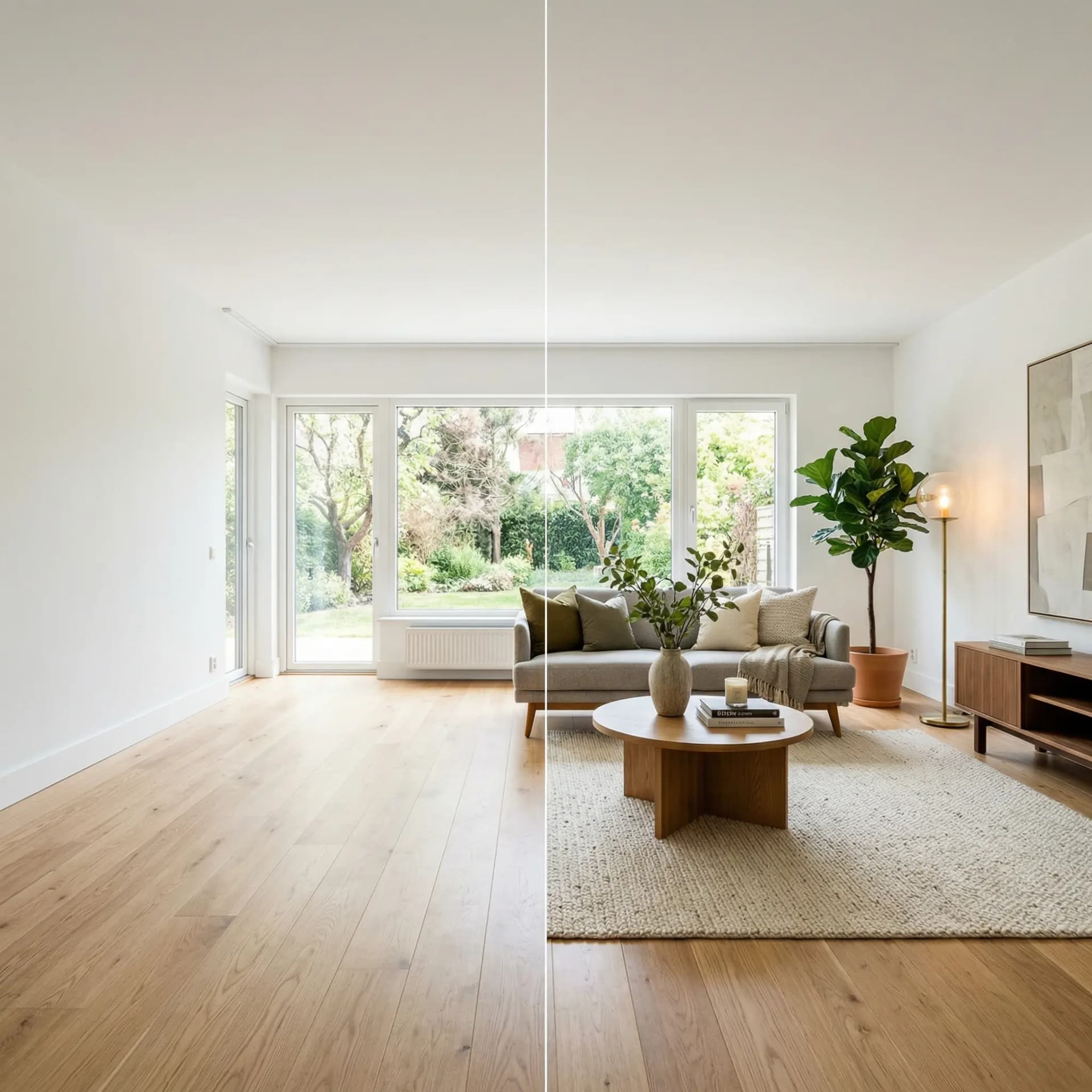
For many standard listings, yes. Physical staging still makes sense for luxury homes, model units, and properties where the in-person showing experience is part of the sales strategy. But for the average vacant home, virtual staging gets you most of the online marketing benefit for a tiny fraction of the cost.
The real comparison is not virtual staging versus perfection. It is virtual staging versus doing nothing. If the current alternative is uploading empty-room photos and hoping buyers can mentally furnish the home themselves, virtual staging is usually the better sales tool.
How Many Photos Should You Stage?
You usually do not need to stage every room. Focus on the spaces that drive emotion and help buyers understand the layout: the main living room, primary bedroom, dining area, and one flex space if the floor plan is ambiguous. Three to five strong staged images usually outperform a bloated gallery where every room has been edited.
This is also where cost stays manageable. Instead of treating staging like a giant production, think of it as targeted merchandising for the most important photos in the listing.
What Is the Fastest Way To Test It?
Start with one vacant listing that has decent natural light and clean photography. Generate two or three staged versions in different styles, compare them, and choose the option that best fits the neighborhood and price point. The goal is not maximal design drama. The goal is a listing that feels warm, legible, and credible.
If you want to test it without a long setup process, DrivewAI lets you upload a photo, choose a style, and generate staged images in under a minute. Your free monthly render is included, and a $9.99 5-pack makes it easy to stage a full listing without creating a separate production workflow.
So, Does Virtual Staging Help Homes Sell Faster?
Yes, when the bottleneck is presentation. Better photos create more buyer interest, better buyer interest creates more showings, and more showings usually create a faster path to offers. Virtual staging works best when it is realistic, targeted, and used on the rooms that matter most.
If you want more practical examples, start with our guides on virtual staging costs and vacant-home staging strategy.
About the author
Noah James
Founder, DrivewAI
Noah James is the founder of DrivewAI, an AI home visualization platform that helps homeowners, contractors, and real estate agents preview renovations before committing. He built DrivewAI to close the gap between inspiration and execution in home improvement.
His writing focuses on practical renovation decision-making, material comparisons, and how AI visualization tools are changing the way people plan projects — from driveway replacements to full interior staging.
See your rooms staged by AI
Upload a photo and get AI renderings across all styles. First one free.
Try DrivewAI Free