How Much Does Virtual Staging Cost? AI vs. Traditional in 2026
By Noah James
• 7 min read • Founder, DrivewAI
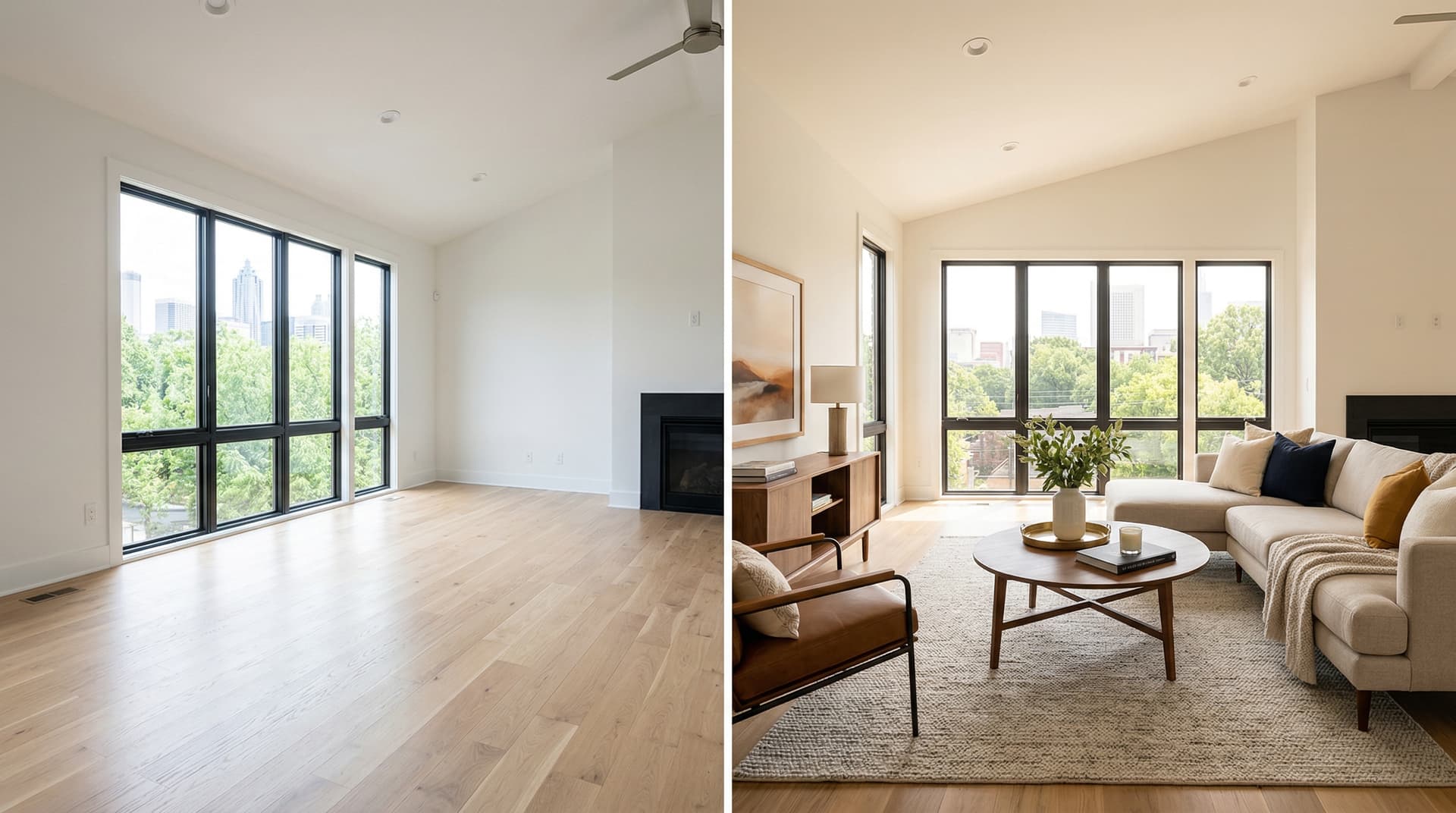
Virtual staging costs anywhere from $0 to $300 per photo in 2026, depending on whether you use AI or a human designer. That range is wide enough to be useless without context — so here's the actual breakdown by method, with real numbers agents and investors can plan around.
The short version: AI virtual staging has collapsed the cost floor to near zero. A tool like DrivewAI's staging product generates a free monthly render, then unlocks $9.99 5-packs or Pro volume rendering when you need the full comparison set. Human-designed staging still runs $25–$300 per photo. Traditional physical staging — renting actual furniture — costs $2,000–$5,000 per month.
The question isn't which option exists. It's which one makes financial sense for your listing.
Virtual Staging Cost by Method
AI-powered virtual staging (self-service): - Per-image cost: $0–$2 depending on the platform and plan - Monthly subscriptions: $5–$15/month for 10–50 images - DrivewAI specifically: 1 free monthly render, $9.99 5-packs for comparison sets and edits, or $99.99/month for unlimited Pro renderings - Turnaround: Under 60 seconds
Human-designed virtual staging: - Per-image cost: $25–$300 depending on the company and complexity - Turnaround: 24–48 hours for standard, same-day rush costs extra - Popular services: BoxBrownie ($32/image), RoOomy ($100–$300), VHT Studios ($89+)
Traditional physical staging: - Monthly rental: $2,000–$5,000 for furniture, delivery, setup, and removal - Minimum commitment: Usually 1–3 months - Best for: Luxury listings above $1M where buyers expect a physical experience during showings
DIY virtual staging (Photoshop): - Cost: $22/month for Creative Cloud - Turnaround: 2–4 hours per image if you know what you're doing - Quality: Inconsistent. Most agents don't have the design skills to make this look professional
Cost Per Listing: Real Math
Let's put this in practical terms. A typical vacant listing needs 3–5 staged photos — living room, primary bedroom, dining room, and maybe a home office or second living area.
AI staging (DrivewAI Pro at $99.99/month): - 5 photos = included (Pro plan covers unlimited images/month) - Enough capacity to stage 10 listings per month
Human-designed staging: - 5 photos at $50–$150 each = $250–$750 per listing - Add rush delivery and you're over $1,000
Physical staging: - $2,500–$5,000 for the first month, plus $800–$1,500/month to extend - One listing only
For agents managing 3–5 vacant listings per month, the math isn't close. AI staging pays for itself with the first listing.
Does Cheaper Mean Worse Quality?
This was true in 2024. Early AI staging tools produced images that looked obviously fake — floating furniture, wrong perspectives, inconsistent lighting. Agents who used them risked credibility with buyers and other agents.
That gap has closed dramatically. Current AI staging tools — including DrivewAI — use two-stage processing that first analyzes the room's architecture, then generates furniture that matches the perspective, scale, and lighting of the actual space. The output is MLS-ready without manual touch-ups.
Where human designers still have an edge: - Complex rooms with unusual angles, mirrors, or glass walls - Luxury staging where every accessory needs to feel curated for a specific buyer demographic - Occupied rooms where existing furniture needs to be digitally removed and replaced (AI handles this, but human designers are still more precise for cluttered spaces)
For the vast majority of listings in the $300K–$1.5M range, AI staging quality is indistinguishable from human-designed staging in MLS photos.
ROI of Virtual Staging
The Real Estate Staging Association reports that staged homes sell 73% faster than unstaged homes. The National Association of Realtors found that 90% of buyers start their search online — meaning listing photos are the first (and often only) impression before a showing request.
Here's the ROI calculation for a $500,000 listing: - Every month a vacant home sits unsold costs the seller roughly $2,500–$4,000 in mortgage, insurance, taxes, and utilities - If staging reduces time-on-market by even 2 weeks, the seller saves $1,250–$2,000 - AI staging cost for the entire listing: $1.50 - ROI: approximately 83,000%
Even human-designed staging at $500 per listing pays for itself if it saves one week of carrying costs on a vacant property.
Which Virtual Staging Option Should You Choose?
Choose AI staging if: - You manage multiple listings per month - Your properties are in the $200K–$1.5M range - You need results in minutes, not days - Budget matters — you're paying out of your own commission
Choose human-designed staging if: - You're staging a luxury listing ($2M+) where every detail matters - The room has complex architectural features that need careful furniture placement - You need a specific designer brand or custom look that matches the property's marketing
Choose physical staging if: - The property is in the ultra-luxury market where buyers expect a staged experience during in-person showings - The listing will be on market for months and needs to impress at every open house - The seller has budget for $3,000–$5,000/month
How to Get Started
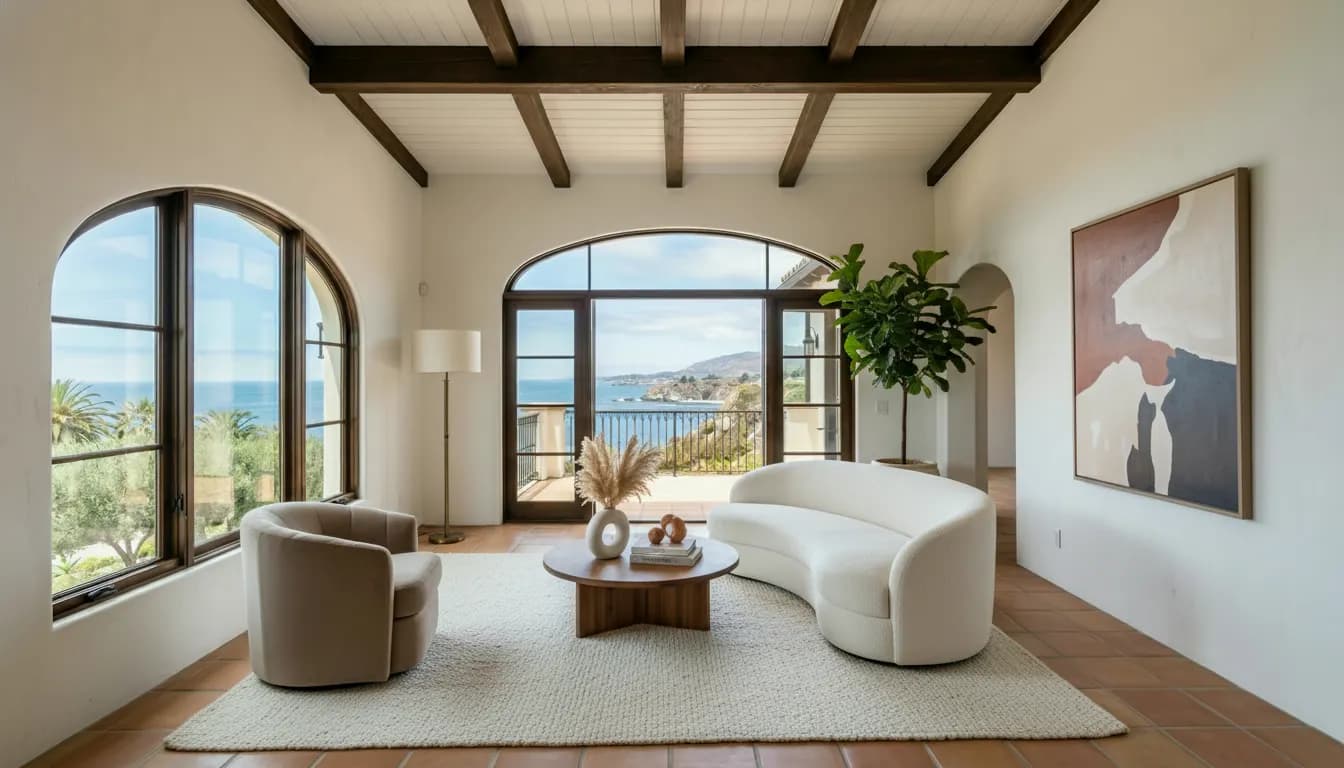
The fastest way to test virtual staging economics is to try it on one listing. Upload a room photo to DrivewAI and get a staged image in under 60 seconds. The first image is free every month; paid credits unlock manual style picks across Warm Contemporary, Scandinavian, Mid-Century Modern, Coastal, and more.
If you're currently paying $50–$150 per image for human staging, run the same room through AI staging and compare the output. Most agents who do this switch immediately — not because the quality is dramatically better, but because the cost and speed difference is impossible to ignore.
For a deeper look at how virtual staging works and which rooms to prioritize, check out our guide on virtual staging for real estate listings.
About the author
Noah James
Founder, DrivewAI
Noah James is the founder of DrivewAI, an AI home visualization platform that helps homeowners, contractors, and real estate agents preview renovations before committing. He built DrivewAI to close the gap between inspiration and execution in home improvement.
His writing focuses on practical renovation decision-making, material comparisons, and how AI visualization tools are changing the way people plan projects — from driveway replacements to full interior staging.
See your rooms staged by AI
Upload a photo and get AI renderings across all styles. First one free.
Try DrivewAI Free